
This article explores the Chicken Shoot Game and its potential use as a subject for youth education in Canada https://chickenshootscasino.com/. We seek to pull apart the game’s basic functions from its gambling context. The goal is to see how its main ideas could be adapted for teaching. This work is essential for building resources that educate young people, not just entertain them within risky setups. It helps foster a safer online space.
Ethical Discussions in Gaming Design and Legislation
The way casual arcade games get adapted into gambling-related formats is a excellent subject for ethical debate. Learning resources can structure talks about designer responsibility, the ethics of mental triggers, and protecting at-risk populations. This raises the discussion from private selection to its effect on society.
Pupils can try simulation activities as game developers, policy makers, or user defenders. They can debate where to draw the line between captivating design and exploitative practice. These discussions build ethical thinking and a sense of the intricate digital landscape.
We can introduce the concept of “dark patterns.” These are interface choices meant to mislead users into behaviors. Comparing a standard arcade game to a edition with tricky “proceed” buttons or covert real-money pathways makes this ethical problem concrete. It makes young people thinking analytically about their individual actions and agency.
This section should also discuss Canada’s oversight environment. That covers the function of regional regulators and how the Penal Code separates games requiring skill from games of luck. Comprehending the regulatory framework helps adolescents comprehend the systems society has built to control these dangers.
Understanding the Core Mechanics of the Game
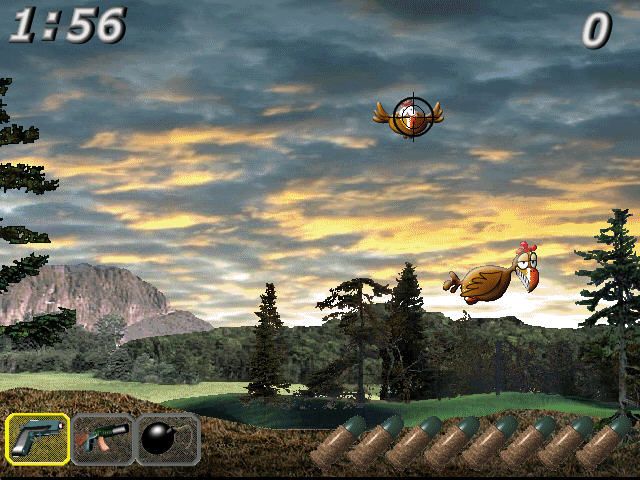
Creating useful educational content begins with taking the game apart. Chicken Shoot is an arcade-style game with a rapid pace. Players shoot at moving objects, usually chickens, on a screen. You earn points for hitting them accurately and quickly, with sounds and visuals indicating a hit. The main loop challenges your reaction time, ability to spot patterns, and hand-eye coordination.
These mechanics are not bad by themselves. They make up the base of many standard video games and brain training tools. The challenging part for educators is pulling these elements away from the reward systems that resemble gambling payouts. We can examine the stimulus-response setup without endorsing the places it’s typically found.
We can split the mechanic into three parts: your input (a click or tap), the output (an explosion, a sound, a rising score), and the processing speed you need. This three-part model gives a clear way to explain how people interact with computers. It allows teachers to present the game as a simple system of cause and effect, detached from its likely troublesome packaging.
The targets often appear in predictable waves or shapes. This brings in simple ideas about sequences and guessing what comes next. These are beneficial thinking skills. Focusing on them on their own provides a neutral place to begin deeper talks about how games are constructed and what they’re intended to do.
Arithmetic and Chance Concepts from Game Mechanics
The score and goal patterns in Chicken Shoot can be a hands-on path into math topics. Instructors can use these elements and create lesson plans that put the original context aside. This converts a potential risk into a educational example that seems relevant to everyday digital life.
Calculating Chances and Expected Value
Even with a ability-based version, we can create models to calculate hit probabilities. If a chicken travels across the screen at different speeds, what’s the probability of striking it? Pupils can gather their own data, chart it on a graph, and work out their expected scores.
This links abstract probability theory to a recognizable, measurable situation. For example, if a target has three possible speeds, students can assign a probability to each speed showing. Then they can determine the expected value of making a shot. It bridges algebra to something they can observe happening in the game.
Data Analysis of Performance
By logging scores over many rounds, students understand about mean, median, mode, and standard deviation. They can analyze if their performance grows better with practice, which is a lesson in compiling and analyzing data. This method emphasizes skill development and measurable progress.
Projects could involve making control charts for their accuracy rate. They could run hypothesis tests to see if a new strategy, like guiding their shots, leads to a real improvement. This directly contests the idea of luck-based outcomes by presenting evidence of learned skill.
Information Literacy and Source Assessment
Learning to evaluate sources is a necessity for modern education. Materials can utilize Chicken Shoot as a practical case study. Pupils can be instructed to explore the game’s history, its various versions, and the many websites that provide it.
This activity builds critical research skills: verifying information across several sources, evaluating a website’s trustworthiness, and grasping commercial motives. Understanding to determine a site’s top-level domain and licensing info is a useful ability. It enables young people to make smart choices about which digital spaces they visit.
A targeted module could contrast two sites: a credible .ca educational portal and a .com casino site. Students can analyze the language, color choices, promotional pop-ups, and privacy policies on each. This side-by-side comparison makes the gap between commercial and educational intent very clear.
We can also incorporate lessons on digital footprints and data privacy. Many free game sites generate money by collecting user data. Comprehending what personal information might be collected during a standard game session adds another dimension to source evaluation. This links directly to Canada’s digital privacy laws.
Structuring Conscious Interaction with Gaming Content
The educational aim should be to promote mindful engagement, not just instruct youth to steer clear of games. This means guiding them to examine carefully at all gaming platforms, particularly sites that feature games like Chicken Shoot within a casino area. We should promote a habit of asking questions: What is this site’s core goal?
Content can assist youth to identify faint signs. These encompass digital coins, extra rounds that look like slot machines, or ads for wagering with real money. Converting a game session into this sort of analysis builds media literacy. The aim is to establish a habit of pondering about what you’re doing online, not simply doing it automatically.
We can develop useful checklists. These would guide users to check licensing details from organizations like the Kahnawake Gaming Commission, age restriction warnings, and options to transfer money directly. Learning to decipher these signs enables young Canadians distinguish between casual gaming and official gambling spaces.
Discussions about managing time and resources are also worthwhile. Establishing personal limits on play sessions, including for free games, fosters discipline. This practice applies to all digital activities, encouraging a more balanced and thoughtful approach to being online.
The mindset behind fast-paced arcade games
Informative discussions need to explain why these games are so compelling. The quick cycle of shooting, hitting, and scoring triggers small dopamine releases, which encourages repetition. It can create a flow state where you become absorbed. Teaching young people to understand this design is a key part of building their digital awareness.
Risk factors in reward schedules
A powerful psychological tool is the variable ratio reward schedule. Regular Chicken Shoot might give steady points, but gambling versions use random, big rewards. Teaching aids should clearly highlight this difference. They need to explain how randomness, not skill, becomes the main attraction in gambling contexts.
Young people need to understand this distinction. The sporadic rewards in gambling-style games are intended to keep you playing even when you lose, a pattern that can become ingrained. Clarifying the contrast between getting better through skill and pursuing luck is a cornerstone of protective education.
Developing cognitive resilience
On the other hand, knowing these triggers can foster strength. By explaining why the game feels engaging, we provide young people a kind of mental awareness. They discover to watch their own reactions. They can differentiate the fun of improving a skill from the pull of hoping for a lucky break.
This self-knowledge defends against manipulative design in other areas too. Exercises might include keeping a log of play sessions to notice what sparks certain feelings, or talking about that “one more try” urge. This kind of reflection builds a buffer against compulsive play habits.
Creating Alternative, Instructional Game Samples
The best educational outcome could stem from letting youth create. Motivated by the mechanics, they can be guided to design their own moral, educational game samples. The core loop of targeting and precision can be reworked for acquiring geography, history, or language.
Planning and System Translation
The initial step is to storyboard a new theme and modify the shooting mechanic into a educational action. Maybe players “grab” correct answers or “collect” historical figures. This process deconstructs game design. It illustrates how the same mechanic can meet completely distinct goals.
For instance, a Canadian geography prototype may have players tap provincial flags or capital cities rather than firing chickens. This requires connecting the core action (tapping a target) to a learning goal (recalling a fact). It demonstrates how adaptable game systems can be.
Concentrating on Constructive Feedback Loops
The instructional prototype needs feedback that educates. In place of a message saying “You won 100 coins!”, it could say “You identified the capital city! Here’s a key fact about it.” This design work makes the principles tangible.
It changes a young person’s role from consumer to designer, and they accomplish it with an comprehension of how games can influence and instruct. Easy drag-and-drop game building tools enable this for many students. They get to feel the deliberateness behind every noise, visual, and point system.
Finally, add peer testing and critique sessions. Students play each other’s samples and evaluate if the learning goal is met without using manipulative tricks. This bolsters the lesson that ethical design is both achievable and rewarding. It concludes the learning cycle, guiding students from study all the way to development.